Ontario student nutrition programs ask for double the funding as they grapple with ‘limitless need’
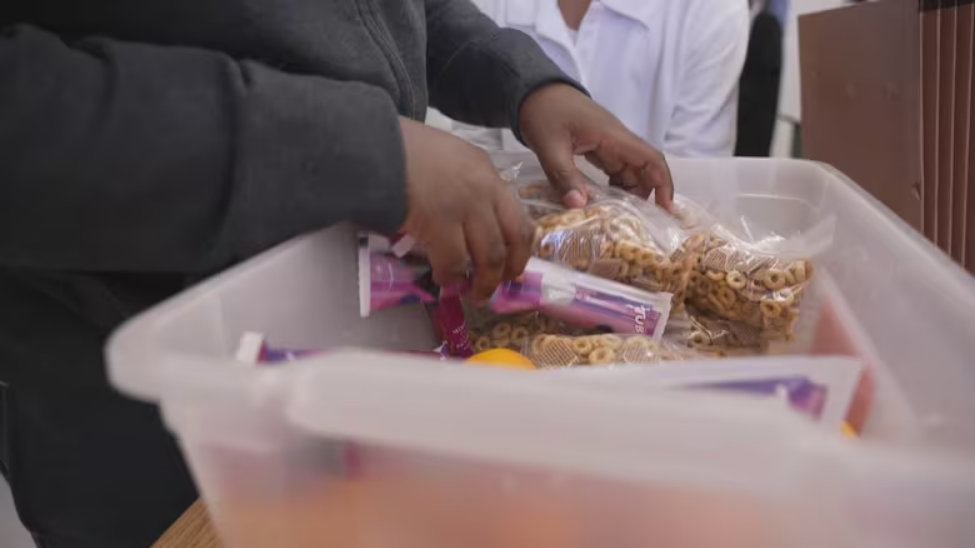
As food prices continue to soar, student nutrition programs across Ontario are finding creative ways to stretch increasingly limited funds. Offering smaller portions, like half a tangerine instead of a whole one or cutting an apple into smaller pieces, these programs are struggling to meet the growing need.
Advocates for student nutrition programs are urging the provincial government to double its funding, and even that may not be enough to meet the rising demand, they say. Viviane Dégagné, manager of the Student Nutrition Ontario network, told a pre-budget committee that food inflation has made it difficult for the programs to provide the variety and portions needed to feed students adequately.
“The increased participation of students in our programs due to the effects of COVID, rising inflation, and a growing immigrant population has created a perfect storm,” Dégagné said.

The Ontario chapter of the Coalition for Healthy School Food is calling for the province to double its current investment in student nutrition programs from $32.3 million to $64.4 million in 2024. What was once a supplemental service for children who forgot their lunch or needed a little extra food has now become a critical support for families who can’t afford groceries.
Erin Moraghan, CEO of Nutrition for Learning in Waterloo Region, explained that more families are relying heavily on these programs due to financial struggles. “Student nutrition programs are becoming something that families need to lean on, and oftentimes lean on heavily, as a solution to the fact that they simply cannot afford their groceries,” she said.
A core principle of the program is its universality, aiming to avoid stigma. By providing food to all students, regardless of need, the program ensures no child feels embarrassed about participating. Moraghan emphasized that when food is accessible to all, it normalizes the experience, removing judgment and fostering inclusivity.
Last year, Moraghan’s program received about 30% of its funding from the province, with the rest coming from partnerships, community donors, and parent contributions. Despite a budget of approximately $1.5 million for food, the demand continues to outpace available resources. “If I had $3, $4, or $5 million to spend, we would absolutely use it,” she said.
While the provincial government allocated an additional $6.15 million to these programs this year, including a $5 million contribution in the fall, it remains insufficient to meet the need. Schools in the Southwest Region are especially struggling. Danielle Findlay, supervisor of community relations for the Ontario Student Nutrition Program Southwest Region, explained that the region’s portion of the $5 million amounted to just $4.29 per participating student for the entire school year. With healthy snacks averaging $1.50 each, the funding falls far short of covering basic needs.
Findlay also noted that nearly 30 schools are on a waitlist for services in her region, with no additional funding to accommodate them. The one-time investments are appreciated, but there has been no increase in core funding in over a decade.
A spokesperson for the Ministry of Community, Children, and Social Services pointed to the province’s one-time investments and noted that they are awaiting further details on a federal commitment to fund a Canada-wide student nutrition program. While a national program could help many children, Moraghan stressed that students in need cannot wait. “Right now, a lot of the meals we’re serving at school are the only meals some students will have all day,” she said.